
You are hereGetting a pedigreed kitten

Getting a pedigreed kitten


Why buy a pedigreed cat?

The primary reason to buy a pedigreed cat is because there is some characteristic of the breed -- its coat, its look, its personality, that a person admires. Persians have long, luxurious coats and very mellow, laid-back personalities. Abyssinians have a short, easily maintained coat, and a busy, inquisitive personality.

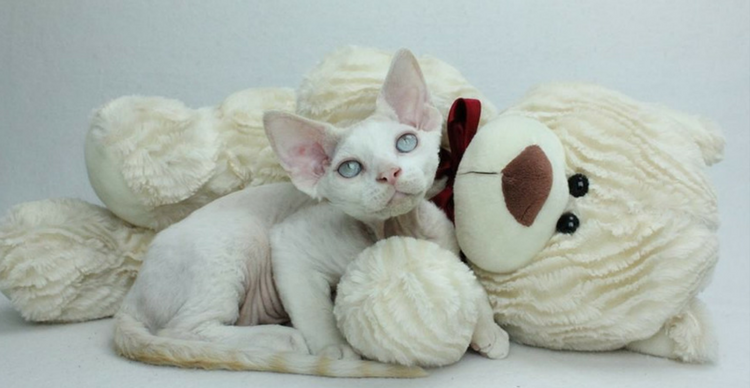
The Devon Rex is popular for several reasons -- it's short, curly coat and minimal shedding are distinctive characteristics, and can often be tolerated by persons allergic to other cats or animals. The Devon's elfin face is virtually unique among cats, and the Devon's highly curious, active and talkative nature is prized by many admirers of the breed.

When purchasing a pedigreed cat, you get much more than a piece of paper (the pedigree) -- you also get an right to make certain expectations of the cat's looks, personality, and characteristics that you don't get with non-pedigreed cats. When you purchase a cat from a reputable breeder who is active in the showing community, you should get a cat from a line whose ancestors were judged as to how well they met the standards of the breed, and which has been part of a program designed to breed healthy and robust examples of the breed in question.

How to find a pedigreed cat

Hands down, the best method of finding a breeder of a pedigreed cat is to go to a cat show. If you can't find a cat show that is convenient for you to attend, or if you cannot locate a breeder of your chosen breed at a local show, you can phone or e-mail the various cat registry organizations and ask them for a list of breeders working with a given breed, or you can use online references of cat breeders such as the Fancier's Breeder Referral List or our own list of Devon Rex catteries.

In general, it's best to avoid finding cats in the local classified ads and similar sources; certainly many reputable breeders do occasionally advertise in the classifieds, but it's also very true that many cats available from classified ads may be bred by backyard breeders who are not actively working to produce pedigreed cats that meet any sort of organized standards.

Remember that in the case of "minority breeds" such as the Devon Rex, there are only a very small number of cats available in each year -- statistics from CFA (the world's largest registry of pedigreed cats) shows that approximately 300 Devon Rex litters were produced in 1996 -- with an average litter size of 3, this means only around 900 kittens were produced by CFA breeders last year - vs. 19,000 litters of the most popular breed, the Persian.. Most reputable Devon breeders (like most "minority breed" breeders) have no need to advertise in the newspaper (or anywhere else) -- the demand for kittens far exceeds the supply.

Cats from pet stores, by and large, are an even worse bet -- most are mass-produced by kitten mills, seldom if ever approach the breed standard, often have health problems, and believe it or not, will almost inevitably cost more than a cat from a reputable breeder of show cats.

What to expect when talking to a breeder

Once you've found a breeder you're interested in working with, you need to approach them as an informed buyer -- even among breeders who meet the criteria above, there are (as in all things) better and worse people to do business with. If you've not found the breeder through a cat show, ask what association or associations the breeder works in, and that their cats are registered in. Do your homework and know what associations are in your area -- there definitely are various "registering bodies" that exist only to register cats from backyard breeders and kitten mills; even if you never plan to show the cat, make sure that it's registered within a well-known association. Ask the breeder how often they show, and where you might be able to see some of their cats at an upcoming show.

If visiting the breeder's home or cattery, ask to see some of their cats -- the parents of the kittens currently available, if possible. Pay attention to the health of the cats, and the condition of the facilities. Everybody has the occasional smelly litterbox, but in general cats should be healthy and happy, in clean well maintained surroundings. If someone offers to meet you somewhere with available cats, be very wary -- many well known backyard breeders have sold many a cat out of their car in various parking lots.

There is more regarding these items below, but a reputable breeder will not sell you a pet cat that is unspayed or unneutered unless its accompanied by a contract requiring you to have the cat spayed or neutered. It doesn't happen. A reputable breeder will not sell you a kitten under roughly 10 - 12 weeks of age (many prefer 16 weeks), as the kitten's immune system is not fully developed. Expect that they will have a number of questions for you regarding the ages of children (if any) in your household, other pets, particularly other cats, your veterinarian, whether you allow any pets outside, etc. A reputable breeder is selling you a baby that means a lot to them personally, and they are concerned about it's welfare. If they don't act that way, then go elsewhere.

Regarding pricing -- for better or for worse, most show breeders will want to know a considerable amount about you before discussing prices with you; this often seems somewhat strange, particularly in western countries where we've come to expect everything to have a price tag stamped right onto it, but believe it or not, for most, price is a much smaller concern than where they place their cats; this is largely because (also strangely enough) most pet cats sold by show breeders are sold at a loss rather than at a profit (again, more on this below) -- they know that they will not be making money on the transaction, and their concern is the welfare of the cat. Please don't allow this to put you off. The actual price of the cat will vary considerably from area to area, and from breeder to breeder and cat to cat. In the United States, you can expect the price of a "pet quality" Devon Rex to vary from a very low point of perhaps $300 to in the vicinity of $1000 or more.

This all seems rather strange to most people looking in from the outside. To make it more understandable, let's take a look at the art of producing a pedigreed kitten, from the breeder's point of view.

Breeding Pedigreed Cats

When you think about buying a pedigreed kitten it probably seems like a simple task. After all, cats are rather common creatures, they seem to be abundant, and haven't we always assumed that cats reproduce quickly and easily? The pedigreed cat and the breeders of pedigreed cats have not been well publicized in the past, but as cats have moved into the spotlight as the number one choice of a family pet in the United States the pedigreed cat is gaining recognition.

Breeding Stock -- The Beginning

The general public has little awareness of what is involved with breeding pedigreed cats. A breeder must acquire good breeding stock to produce top quality cats. This is no easy task. Breeding cats must have pedigrees and "type" good enough to produce kittens that will represent the breed and be an improvement of the breed. Top quality breeding cats cost anywhere from several hundred dollars to several thousand dollars. Buying a pair of top quality breeding cats does not guarantee litters of show quality kittens, and it is not enough to have just one male and one female for a breeding program. Breeders are constantly trying various combinations of their breeding cats to find which mating will produce the best quality kittens. Offspring from one breeding will need to be mated to other cats, thus requiring additional breeding cats and possibly an outside stud service which can cost anywhere from several hundred to several thousand of dollars.

The Cattery

Most breeders establish a cattery area in their home, which means a room or area that is just for cats. Usually the cattery is furnished with special cages for males, and females with young kittens. A grooming area may also be included in the cattery. Some breeders have a separate building to house the cats. Many breeders employ cattery help for cleaning cages, feeding and grooming duties. The cattery area, whether it be a special room or area, or a separate building, will need to be furnished with litter pans, water and food dishes, cages and cat trees and whatever else the breeder feels is necessary to maintain the cats in a good environment.

The Essentials -- Grooming Tools, Food, Litter & More

Special grooming tools and aids are essential to the cat breeder. Grooming aids might include special hair dryers, combs, brushes, shampoos, coat conditioners and several other products depending on whether the breeder is raising longhaired or shorthaired cats. Grooming tools, litter pans. food and water dishes, plus cleaning supplies, litter and cat food all add up toe tidy sum. Cat carriers are also a necessity for transporting the cat to the Veterinarian, travel to cat shows or for shipping purposes.

Health and Records

Pedigreed breeders must maintain good health of their animals and of course keep accurate records on all of their cats. Cats must be kept up to date on their vaccinations. and treated for any illness that might occur. The breeder is subjected to special health problems in a cattery situation because if one cat becomes ill, the proximity of the other cats means possible exposure. The cat breeder must also deal with breeding dilemmas that few people realize. A breeding male may not be ready to sire at the time when queens all season at the same fume. A planned mating may not result in conception, or a queen could abort a long awaited litter. A queen may require a c-section if she is not able to deliver her kittens easily. A c-section is usually quite expensive, kitten mortalities are high and the queen will usually require a year's rest before another breeding can be planned. Because breedings are planned for producing the best possible results, the breeder soon realizes that planned breedings are a different story than simply allowing random breedings to occur.

The Show Scene

Breeders determine the quality of their pedigreed cats by showing their cats at cat shows, where expert judges score them as to how well they adhere to the standard for the breed, how good their general health and disposition is, and how well groomed they are. Cats that show special merit may become Grand Champions (terminology varies from association to association), and possibly even go on to be ranked regionally, nationally, or internationally. There are also special merit awards for breeding cats that produce a large number of Grand Champions to recognize how much they have contributed to their breeds.

The cost of the kitten

You have now had a look at what is involved in the life of the pedigreed cat breeder. You've discovered that the breeder has made a sizeable monetary investment in acquiring breeding stock, setting up a cattery and maintaining the cats, and showing the cats. There are also other miscellaneous costs that the breeder faces such as registration fees for litters and individual cats, cat club dues, subscriptions to cat periodicals that keep the breeder informed about the world of cats, business cards, photographs of the cat, cage curtains for shows, cat beds, toys, etc.

There is also a considerable time investment for the cat breeder. Daily chores must be done; cleaning litter pans, feeding, watering, and grooming. The time spent traveling to shows. And the special times when a breeder sits up all night waiting for a queen to deliver a litter, or when it's necessary to attend to a sick cat. There is also the time required to type up pedigrees, fill out registration papers, fill out entries for shows, and keep records on the cats. When you purchase a pedigreed kitten the breeder has already invested a great deal of money and time to produce that kitten.

Consider just what is involved from the time the kitten is born until the kitten is old enough to be sold and you can see that there has been a sizeable investment by the breeder. Delivery of kittens must be watched carefully for signs of problems. The diet of nursing queens is often supplemented. Any signs of illness in the Queen or kittens must be treated promptly. During weaning the kittens must be monitored closely to be sure they are eating properly. Some kittens must be hand fed for a few days to teach them to eat solid food. After kittens are weaned they must have their vaccinations, be fed a good diet daily and, of course, be provided with daily care and grooming. The kittens also need to be handled and given the space to develop their growing bodies.

Pet quality kittens are priced far below the cost of buying a breeding cat or show quality cat. Yet, many people seem to assume that a pet quality pedigreed kitten will be priced in the same range as adopting a mixed breed cat from a shelter. Rarely does the public realize that the price for a pet quality pedigreed kitten reflects only a fraction of the cost to the breeder to produce that kitten, and costs just as much to produce as the next show winner or champion breeder.

Pet Quality -- No Breeding Allowed

Many times people that are looking to purchase a pedigreed kitten are surprised to learn that the breeder stipulates that the pet kitten must altered, or may already be altered before being placed for sale. There are several reasons that breeders insist on this. The active show breeder is dedicated to improving the breed they are working with. This means that only the best quality kittens should be used in a breeding program. Kittens that have "slight faults" which are usually only apparent to a pedigreed cat breeder, will cause the breed to regress instead of improve. Some of the "slight faults" might include ears that are too large or too small, a color fault, poor eye color, or head and / or body conformation that does not meet the standard. To the untrained eye these kittens still look perfect and they make wonderful, loving companions.

Occasionally, a breeder might offer a high quality kitten as a pet. usually due to the breeder having a large number of male kittens. In this situation it might seem quite confusing to understand why the breeder still insists that the cat be altered.

Each active show breeder has a cattery name that is used to identify cats that are produced by that breeder. The cattery name appears on pedigrees, registration certificates. in show catalogs or whenever a particular cat is mentioned. Due to the investment of time and money involved with breeding cats, each breeder takes pride in protecting their investment and their cattery name. Reputable breeders are also particular about where their cats are sold or placed to to be used as breeding cats. Most breeders went to to be assured that their cats will be used in legitimate breeding programs by people who desire to improve the breed. When a cat is sold as a pet, the breeder knows that the cat is not being placed with a person who is knowledgeable about a breeding program, but is being placed strictly as a companion.

"All I want is one litter, for the fun of it!"

Sometimes a pet owner will decide they want to have "just one litter" from their cat. Their reasons may range from wanting to "show the children the facts of life" (there is are more intelligent ways of doing this!), to thinking they will recoup the money spent on purchasing their pedigreed kitten or maybe making a few extra dollars of spending money, both the wrong reasons for deciding to breed a pet quality cat! Often they will breed the cat to another cat of poor quality, and produce kittens that are very poor representations of that breed -- and as outlined above, defeating the purpose of purchasing a pedigreed cat in general. The pet owner may then try to sell the kittens, passing them off as pedigreed, and stating that the parents (or in this case one parent) came from a reputable cattery. The pet owner might even give out a copy of their pedigree to someone that buys a kitten from this breeding. To the legitimate, reputable breeder, this conduct of the pet owner is totally against the principles of what the legitimate breeder has worked so hard to accomplish! The pet owner has promoted a very irresponsible breeding, the reputable breeder has been implicated because his cattery name is on one of the cats involved with the mating, and the offspring are being represented as examples of a particular breed. It does not take much imagination to understand why a breeder would be most distressed at having a cat of their breeding used in such an a manner!

Most breeders want to guard their reputation for improving a breed and they do not want to see their investment of time and money be abused.

Breeder & Show Cats

The show breeder is working towards producing special cats that they can show themselves -- expect when asking for a "top show" kitten, that the price will usually be very high, particularly if you just want a "top show" kitten just to say you have one.

On the other hand, if you are actively interested in showing cats, and learning more about the fancy, be sure to let the breeder know that you may be interested in a "show alter" -- a cat that can be competitive in the alter (neuter and spay) classes at cat shows. Often these cats can actively contribute to winning merit awards for their parents, and breeders may be looking for a special home interested in showing to place these cats.

If you want to purchase a breeder cat as a new breeder, go back and re-read this document a few times, with the shoe on the other foot, and see if you really feel you are ready to dedicate the time and money to this hobby that it requires. If so, then the place to "break in" is by actively showing a cat in an alter class. This allows you to show your commitment to showing, meet breeders, and most importantly, learn to evaluate cats. If you can't evaluate how well a cat meets it's breed standards (and thus how well you can expect it to do at a show), then you certainly won't be able to critically evaluate your own potential breeding stock. Some people rail against the show alter direction as a way of "paying ones dues" before going into breeding, but it protects both you and the cats from making mistakes and doing something you are ultimately going to regret.

Misconceptions

Some people are under the mistaken notion that breeders don't want the pet quality kittens to be used for breeding because the breeder does not want competition in the pet kitten market. The reputable breeder is working hard to breed the "perfect" cat -- and is not in "business" to produce pet kittens.

The breeder's goal is to reach a point of producing top quality kittens that will be able to compete at shows or to contribute to future breeding programs. Producing pets is certainly not the goal of the pedigreed cat breeder! In fact, a breeder would be delighted if every litter never produced a pet quality kitten.

Another misconception is that breeders must make a "nice little income" selling cats. When you add up all the expenses that a breeder encounters you will quickly realize that breeding cats is not an income producing venture!. The sale of pet quality kittens probably doesn't come close to covering the cost of just the cat food bill for a couple of weeks for the breeder. The sale of a breeder or show quality cat might cover the cost of a few show weekends. And, keep in mind that breeders only produce a few kittens a year, not hundreds!

Kitten Season

When people decide to buy a pedigreed kitten they often do not realize that most kittens are born on a seasonal basis. Most female cats come into season in the late winter/early spring. Gestation takes approximately 65 days. Kittens are usually weaned when they are around 8 weeks old, and most breeders do not sell kittens until the kitten is 4 months old. This means that most kittens become available in the early months of summer. Some cats are ready for breeding at other times during the year so it is possible to find a kitten in the winter or Fall months. However, the majority of kittens are born in the Spring and it is usually easier to find a pedigreed kitten for sale in the late spring or summer.

What to look for when picking out a kitten.

Many people wonder what they should look for when buying a pedigreed kitten. Here are three points of consideration when you are choosing a kitten:

  1. Health. Is the kitten clean and robust looking? Does the skin feel clean and free from "bumps", scabs, or any sign of skin irritation? Are the eyes bright and clear? Does the nose have any discharge? (It shouldn't.) Does the kitten have good muscle tone? Is the kitten skinny looking with ribs or backbone showing, or does it have a "pot" belly? Healthy kittens should not have a "pot" belly, nor be so skinny that they have ribs or backbones protruding. Watch the kitten walk or run about. Does it show any signs of limping or having stiffness in the legs? Inquire about vaccinations that have been given. Kittens should have had at least two vaccinations before they go into a new home. Ask specific questions about whether the vaccinations were given by a Veterinarian or by the breeder. Many breeders give their own vaccinations. Ask which vaccine was used and what dates the vaccinations were given. Ask the breeder if the kitten has had any health problems since birth. Also ask if there are any health considerations that should be anticipated with that breed or particular kitten.
  2. Representing the Standard for the Breed: Even when you buy a pet quality kitten, the kitten should bear a strong resemblance to the standard for the particular breed. Read the Breed Description in this publication to understand what characteristics a particular breed should have. Also, look at the Breed illustrations to get a visual idea of what a particular breed should look like. A Persian should have a flat face. The show quality Persian will have a shorter nose than a pet quality Persian, but a Persian should never have a "foxy face." Does the Siamese kitten have a long, wedge-shaped face and a long, tubular body? Ask the breeder to point out the "faults" on the kitten that have caused the kitten to be evaluated as pet quality. There is really no point in paying for a pedigreed kitten if it does not resemble the standard for the breed.
  3. Personality and Behavior: Healthy well adjusted kittens should be full of bounce and play. Very young kittens might be shy, and even try to run away and hide when they see a new person. There is however, a difference between a shy kitten and a kitten that is ill or has personality problems. A shy, quiet kitten will usually be content to be held and petted. A very lively kitten might be so "busy" that it squirms when you try to hold it. Watch how the kitten behaves when it is held by the breeder, then see how it behaves when you hold it. The breeder should be able to "show off" the kitten at its best. If the breeder is not able to engage the kitten in play, or handle it without difficulty, you probably should on that kitten. A kitten that is hostile and behaves in a threatening manner is not a good candidate for a pet.

Making The Final Decision

Once you have found the kitten that you know is perfect for you, there are still a few matters to address. Talk with the breeder about feeding the kitten. The breeder will tell you what the diet has been for the kitten and usually breeders will recommend a brand of cat food that they use. Many breeders will send home a "starter" supply of food. Ask about where the litter box is located in the breeder's home or Cattery. When you take your new kitten home it is not equipped with radar to find the litter box! Breeders will give you suggestions on matters of the litter box and how to acquaint your new kitten with the location of the litter box. Inquire about grooming. Long haired cats require grooming care by their owners. Find out what grooming tools you will need, where they can be purchased and ask the breeder to demonstrate how the kitten should be combed. Ask whether there is a health guarantee on the kitten and get a record of vaccinations. ALWAYS have your kitten examined by a Veterinarian within a day or two after the purchase! Any reputable breeder will encourage you to do this.

Refunds and Returns

Most people that buy a pedigreed kitten know what they want and are so delighted with the new kitten that the last thing on their mind is returning the kitten to the breeder. However, there are some people who seem to view buying a kitten the same as buying an item from a department store. After a few days the newness of owning a kitten wears off and the person decides they want to return the kitten for a "refund"

Breeders are quite reluctant to take kittens they have sold, back into their homes or catteries. Once the kitten has left its original home, the breeder has to wonder if the kitten has been exposed to other cats or animals and how the kitten was treated. Was the kitten allowed outdoors, even though the breeder requested the cat always stay indoors? Or, was the kitten exposed to other cats in the household that were indoor/outdoor cats? Breeders have to concern themselves with the possibility that the kitten might have been exposed to disease or mites (fleas, mites, worms) from other animals in the new home setting, and the kitten could now expose the cats in the breeders cattery to disease or parasites. These are serious risks to the breeder. Usually a breeder will agree to take back a kitten that has been examined by a Veterinarian within two or three days after going to a new home and the kitten has been found to be ill. However, if a kitten not had a Vet check and two weeks later the breeder is notified that the kitten is ill, it becomes quite difficult to determine if the breeder is responsible or the new owner is responsible for the illness.

Many times a breeder will agree to take back a kitten if after two or three days the kitten has made a poor adjustment to the new home. Most kittens adapt very well to their new homes, but occasionally a kitten will become very stressed in a new environment.

While many or most breeders will accept their cats back (and often insist on it as a point of contract, that the cat is to be returned specifically to them if the new owners no longer want to keep it for whatever reasons), often throughout the life of the cat, please be aware that this is always a very expensive proposition for the breeder -- the breeder must isolate the cat, for the reasons mentioned above, the cat must undergo expensive veterinary examinations, and often (particularly if no longer a young kitten) may not be able to be resold for the original amount -- or at all. While some breeders might offer a refund under these circumstances, you can understand why many will not (or will offer to refund the price paid by a new owner, if the cat is placed again, minus expenses). These situations should all be outlined in the contract you sign with the breeder, and understood up front by both parties.

Home Sweet Home

After you bring your new kitten home and get it settled you will begin a relationship that will be very special. Your new kitten will acquaint you with the special characteristics of the Devon Rex -- helping with everything you do, always being there so that nothing is missed, keeping up a constant chatter in coos and trills, or just snoozing on the lap of their special person. Once you've lived with a Devon, you will find them fascinating, sweet and loving companions. After awhile you may find that your enthusiasm for that breed piques your interest for breeding and showing pedigreed cats. While there is an investment of time and money in breeding and showing cats, the pleasure and involvement with these special felines make it all worthwhile. Enjoy your new kitten and welcome to the world of the Devon Rex.